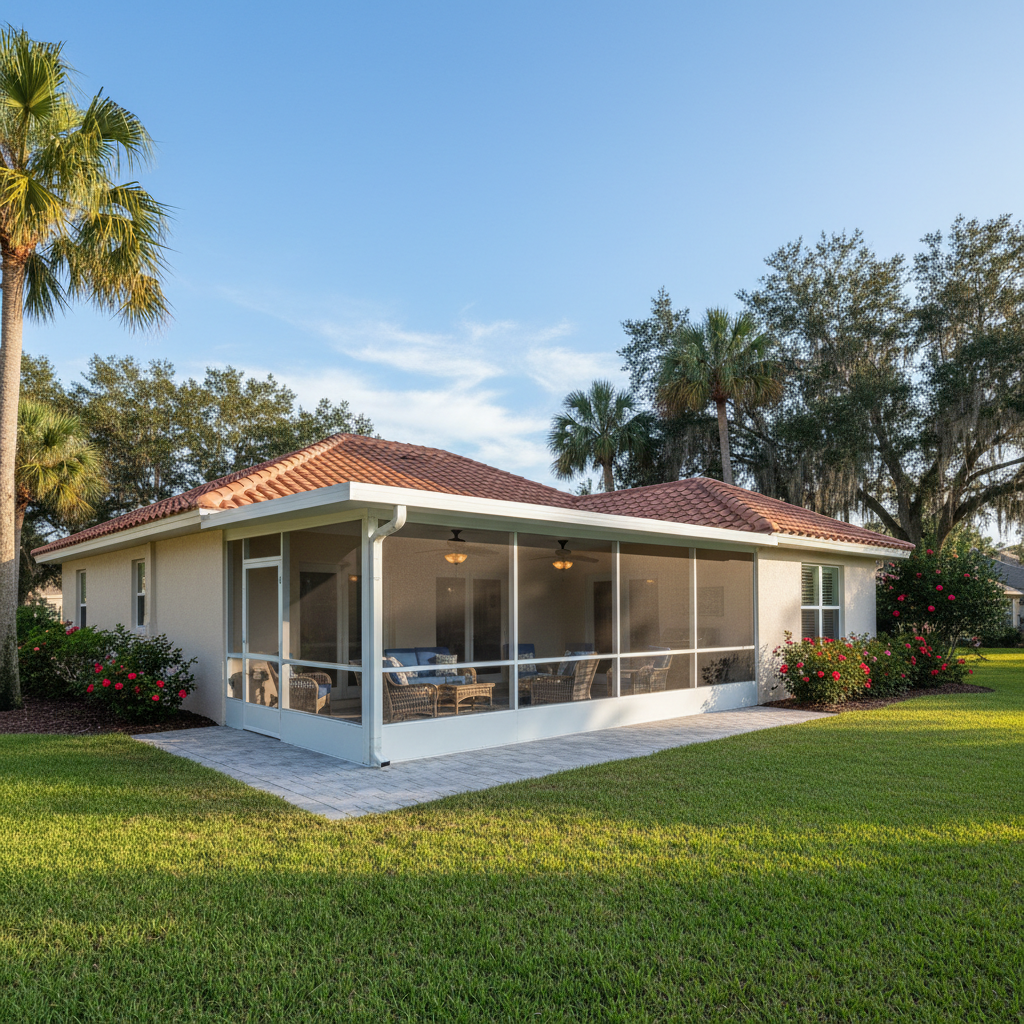
So, you're ready to add a screen room to your place. That's a smart move, especially here in Jacksonville. We all love our outdoor spaces, but those mosquitoes and afternoon downpours can really cut into your enjoyment. A good screen room lets you get more out of your home year-round. But before you jump in, you need a plan. Here's what I tell folks about getting a screen room built.
Understanding the Project Timeline
Let's talk timelines first, because this is where a lot of homeowners get surprised. It's not like ordering a pizza. A screen room project has several stages, and each one takes time. Generally, you're looking at anywhere from 6 to 12 weeks from your first call to the final inspection. That's a big range, I know, but there are variables.
- Initial Consult & Design: This is usually quick, maybe a week or two, depending on how fast you make decisions and how busy the contractor is. You'll discuss ideas, materials, and get an estimate.
- Permitting: Ah, permits. This is often the biggest wildcard in Jacksonville. Depending on the city's workload, this can take anywhere from 3 weeks to 8 weeks, sometimes more if there are issues with your property or specific zoning. Don't let anyone tell you they can skip this; it's non-negotiable and protects you.
- Material Ordering & Delivery: Once permits are in hand, materials need to be ordered. Lead times vary, but usually, it's 2-4 weeks for everything to arrive.
- Construction: The actual build time for a standard screen room is usually pretty fast – often 1 to 3 weeks. My crew at Paramount Sunroom Co, for example, really gets after it once we're on site.
- Final Inspection: Another city inspection, usually a few days after construction is complete.
So, when you add all that up, you can see why it's not an overnight job. Plan ahead, especially if you want it ready for a specific season, like spring or fall.
What to Expect During the Process
Once you've picked your contractor and signed the contract, here's a general rundown of what'll happen:
- Pre-Construction Meeting: Good contractors will walk you through the plans one last time, confirm material choices, and discuss logistics like access to your yard, where materials will be stored, and when they'll start.
- Site Prep: We'll clear the area, make sure the ground is level, and set up our equipment. You might see some digging, especially if we're pouring a new concrete slab or footers.
- Framing: This is where you really start to see your screen room take shape. The aluminum or wood frame goes up quickly.
- Roofing: Next, the roof structure and panels go on.
- Screen Installation: The screens are fitted into the frame. We use durable screens that stand up to our Florida weather – those afternoon thunderstorms can be brutal on cheap materials.
- Finishing Touches: This includes things like trim, doors, electrical outlets if you opted for them, and any final clean-up.
- Inspections: Expect city inspectors to come out at various stages, not just at the end. This is normal and ensures everything is built to code.
It can get a little messy during construction, but a good crew will keep the site as tidy as possible and communicate with you every step of the way.
How to Prepare Your Home and Yard
You can make the process smoother for everyone. Here are a few things you should do before we even show up with tools:
- Clear the Area: Move any patio furniture, grills, planters, or anything else from the proposed screen room area. We need clear access.
- Trim Landscaping: If you have bushes or trees right where the screen room is going, trim them back. This gives us room to work and protects your plants.
- Secure Pets: Keep your dogs and cats safely indoors or in a secure part of the yard away from the construction. Our crew will be coming and going, and we don't want any pets getting out or hurt.
- Identify Utilities: Show us where your sprinkler heads, buried dog fences, or other underground utilities are if they're close to the work area. While we'll call 811 for utility marking, it's always good to have your input.
- Communicate: If you have specific concerns about noise, working hours, or anything else, talk to your project manager upfront.
A little preparation on your end goes a long way in keeping the project on schedule and stress-free.
Crucial Questions to Ask Before Signing a Contract
This is probably the most important part. Don't just go with the cheapest bid. Ask these questions:
- Are you licensed and insured in Florida? This isn't just a formality; it protects you if something goes wrong. Ask for proof.
- Do you handle all the permitting? A reputable contractor will manage this entire process for you.
- What kind of warranty do you offer on labor and materials? A solid warranty shows they stand behind their work.
- What's your payment schedule? Be wary of anyone asking for a huge upfront deposit. A typical schedule is a deposit, progress payments, and a final payment upon completion and your satisfaction.
- Can I see examples of your work or get references? Look at their past projects. Talk to previous clients. You want to see quality.
- What type of screens do you use? Here in Jacksonville, with our humidity and bugs, you want durable, high-quality screens that won't sag or tear easily. Phifer screen is a good example of a quality product.
- What's the process for change orders? If you decide to change something mid-project, how is that handled? Get it in writing.
- Who will be my main point of contact during the project? You need one person you can call with questions or concerns.
Asking these questions helps you vet contractors and ensures you're working with a professional who will deliver a quality screen room without headaches. Do your homework, and you'll be enjoying your new outdoor space in no time.