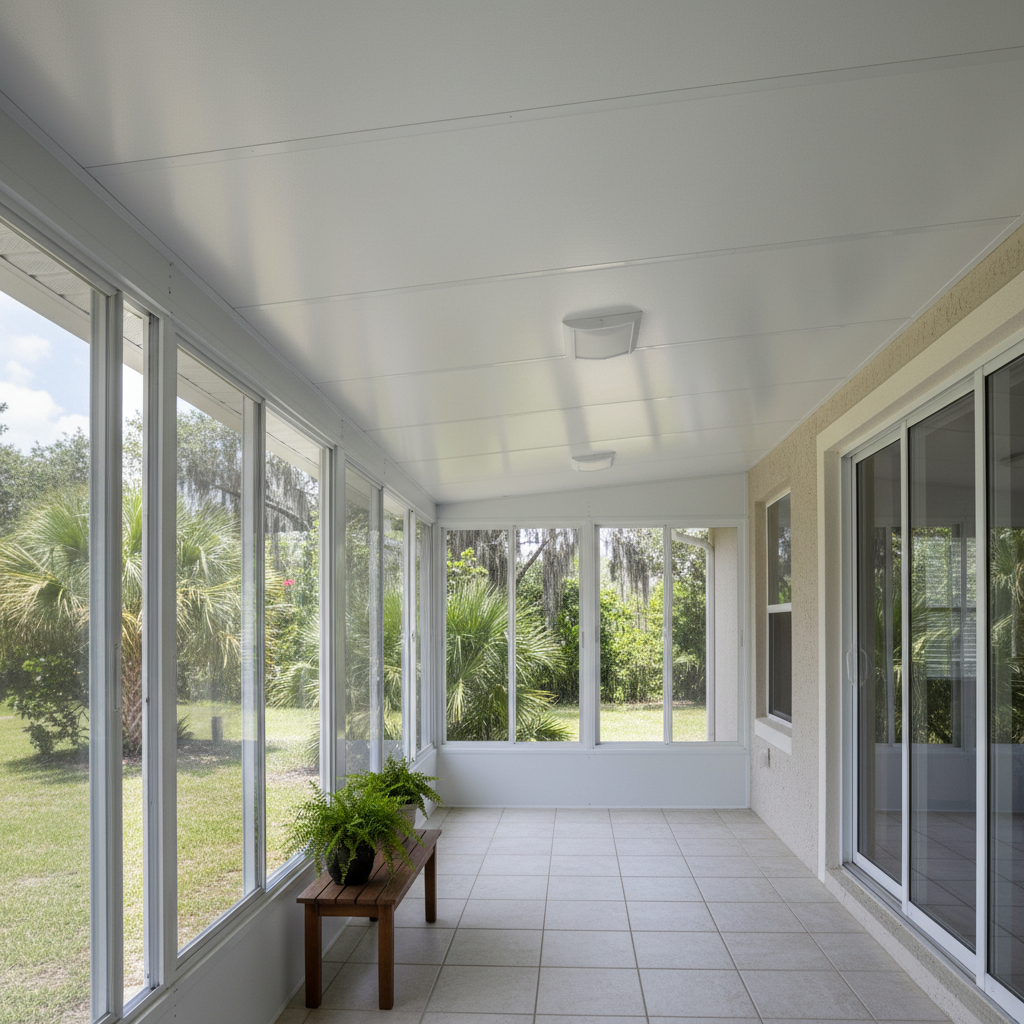
Insulation isn't something you typically think about until it's not doing its job. But when it comes to your sunroom here in Jacksonville, that insulation is working overtime, especially with our long, hot, and humid summers. You've got a beautiful space, and you want to keep it comfortable and energy-efficient, right? That means giving a little thought to what's keeping the outside, well, outside.
Extending the Life of Your Sunroom Insulation
You want your sunroom to last, and that includes the insulation. A lot of folks think once it's in, it's done, but there are things you can do to make sure it performs for years. It really comes down to protecting it from its biggest enemies: moisture and pests.
- Control Humidity: This is huge in Florida. High humidity can lead to condensation, and that's bad news for insulation. Make sure your sunroom has good ventilation. If you've got a mini-split AC unit, use its dehumidifier function. Keep an eye out for any signs of moisture buildup on windows or walls.
- Prevent Leaks: This one seems obvious, but even a small, slow leak can saturate insulation over time, turning it into a soggy mess that doesn't insulate at all. Regularly check the roof, flashing, and window seals for any cracks or gaps. After a good summer downpour, take a walk around your sunroom, inside and out, just to be sure.
- Keep Pests Out: Rodents and insects love nesting in insulation. They'll chew it up, compact it, and make it useless. Seal up any small openings around the perimeter of your sunroom, especially where utilities enter. It's a good idea to trim back any bushes or trees that are touching the structure, as they can provide easy access for critters.
- Mind Your Landscaping: Keep soil and mulch away from the base of your sunroom walls. This helps prevent moisture wicking into the structure and deters pests. You want good drainage around the foundation.
Regular Maintenance: What to Look For
You don't need to be an expert to do a quick check-up. Just a few minutes a couple of times a year can save you a lot of headaches and money down the road.
- Visual Inspection: Walk around your sunroom, inside and out. Are there any visible gaps or cracks in the caulk around windows or where the sunroom meets your house? Do you see any discoloration on the ceiling or walls that might indicate a water stain?
- Feel for Drafts: On a breezy day, or even with your AC running, put your hand near windows, doors, and where walls meet the ceiling. Can you feel air moving? That's a sign your insulation isn't doing its job, or you've got a seal issue.
- Check for Pests: Look for droppings, nests, or chewed-up materials. If you see any of these, you've got visitors, and they're likely messing with your insulation.
- Watch Your Energy Bills: If your electric bill suddenly jumps, and you haven't changed your usage habits, poor insulation could be a culprit. Your AC or heater might be working harder than it should to keep the sunroom comfortable.
Warning Signs of Insulation Problems
Sometimes, the signs are a bit more obvious. Don't ignore these; they usually mean you've got a problem that needs attention.
- Unexplained High Energy Bills: I mentioned this, but it's worth repeating. If your sunroom is noticeably hotter in summer or colder in winter than the rest of your house, even with the AC or heat on, your insulation is likely failing.
- Condensation or Mold Growth: If you're consistently seeing condensation on the inside of your sunroom windows or walls, even when the humidity isn't extreme, it means warm, moist air is meeting a cold surface. This is a classic sign of poor insulation. Mold or mildew growth is an even bigger red flag, indicating persistent moisture.
- Sagging or Damaged Walls/Ceiling: If your sunroom walls or ceiling start to sag, bulge, or show water stains, you've got a serious issue. This could be water damage compromising the structural integrity and ruining the insulation.
- Pest Infestations: If you're hearing scratching in the walls or ceiling, or seeing a lot of bugs, they might be making a home in your insulation.
- Musty Odors: A persistent musty smell often points to hidden moisture and mold, which means your insulation is probably wet and failing.
When to Call a Professional
Look, a lot of these checks you can do yourself. But there are times when you really need to bring in someone who knows what they're doing. You don't want to mess around with structural issues or persistent moisture, especially in a place like Jacksonville where humidity is a constant battle.
- Persistent Moisture Issues: If you've got leaks you can't find, or recurring condensation and mold despite your best efforts, call us. We've got tools and experience to pinpoint the source and fix it right.
- Major Pest Damage: If critters have made a home in your insulation, it's a bigger job than just setting a trap. You'll likely need to remove the damaged insulation, clean the area, and then re-insulate and seal it properly.
- Structural Damage: Any signs of sagging, bowing, or significant water damage to the walls or ceiling of your sunroom means you need a professional assessment. This isn't just about insulation anymore; it's about the safety and integrity of the whole structure.
- Noticeable Temperature Swings: If your sunroom is just never comfortable, no matter what you do, it's time for an energy audit. We can assess your insulation, windows, and seals to figure out where you're losing energy.
- Pre-Purchase Inspection: If you're buying a home with a sunroom, especially an older one in areas like Avondale or San Marco, it's smart to have a professional check the sunroom's insulation and overall condition. You don't want surprises after you move in.
At Paramount Sunroom Co, we've seen it all when it comes to sunroom insulation in this climate. Don't let a small problem turn into a big, expensive one. A little proactive maintenance and knowing when to call for help will keep your sunroom a comfortable, enjoyable space for years to come.